About
Why do I paint? To capture moments as expressed by the interplay between light, form and colour of changing seasons, through more or less detailed still lifes, landscapes and floral watercolours.
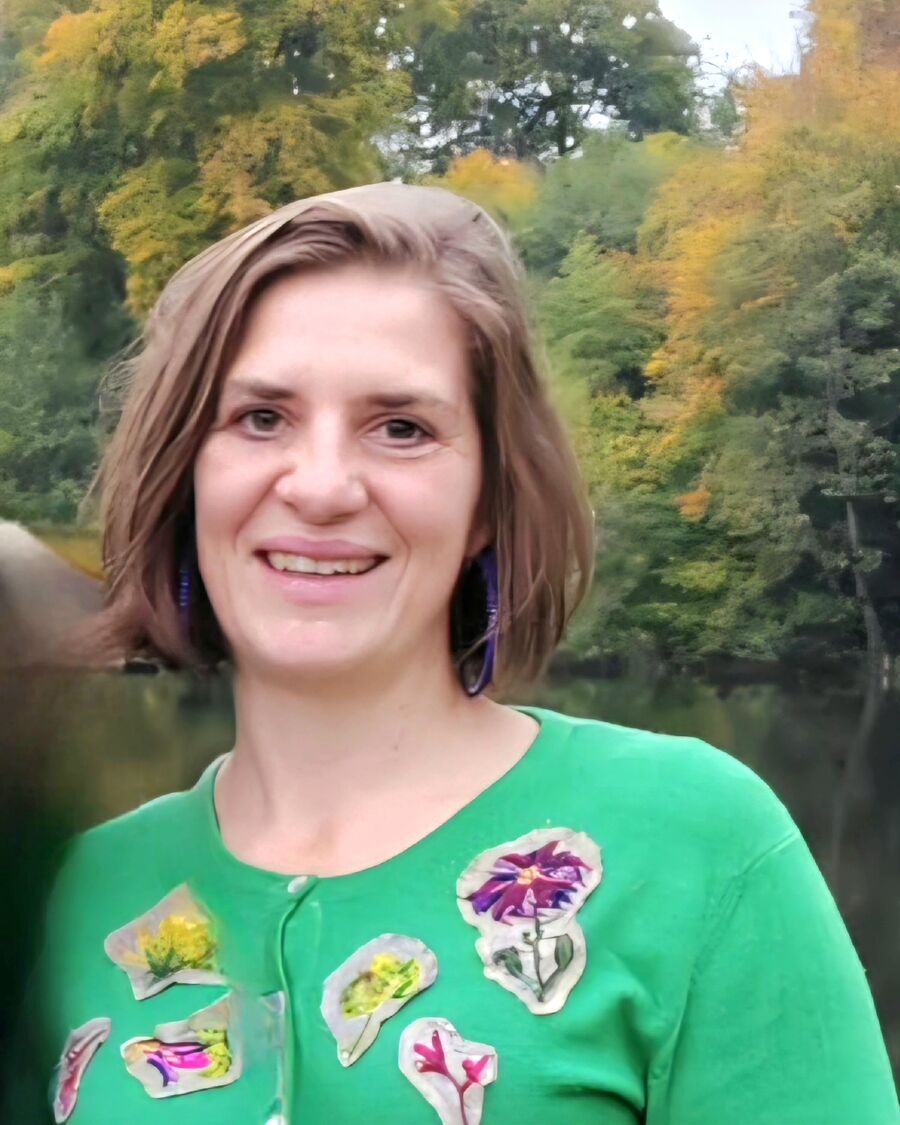
I'm a watercolour artist based south of Munich, where I paint alongside a career in International Development.
I paint where the light is best and when life allows, so a single painting often unfolds over several days. Most of my work happens in my studio at home, sometimes on the terrace, and now and then outdoors or in the company of a watercolour collective.
What I paint is what changes: the garden as it looks this morning compared with yesterday, wildflowers on a forest floor, the shadows clouds throw across a landscape, figs and quinces tumbling from the tree in late September, the bright pink and green artichokes on a market stall in Naples. I'm drawn to the way light, form and colour meet in the ordinary and fleeting: sunbeams on a vase, the curve of a petal, the plump gloss of a berry.
For me, noticing beauty is a deliberate choice. In a world crowded with alarming news and mounting pressure, finding charm and grace takes intention, and I see it as a counterweight to fear, not just a distraction from it. My paintings are meant as a space to pause, simplify, and feel something quietly lovely in everyday life. My art is not separate from who I am.
Core beliefs
- Grace and beauty manifest in the ordinary aesthetics of daily life as well as in the exceptional.
- Inspired by my surroundings — interested in capturing the physical form of these transitory surroundings.
- My work is not separate from who I am.
- Beauty is a counterweight to darkness and fear — not just a distraction — and thus
- beauty functions as a deliberate choice to remain enchanted and hopeful, and not overwhelmed by darkness and anxiety.
- Art should be a space to learn to feel, to wonder and to love. In a world filled with dreadful news and mounting pressures, it's easy to spread fear; finding beauty and charm demands greater intention.
- Art is a way of dealing with complexity — in search of simplicity, and the recognition that grace manifests in the ordinary.